From KraftPal to ZeeQuest: How Industrial Disruption Shaped a Technology Ecosystem
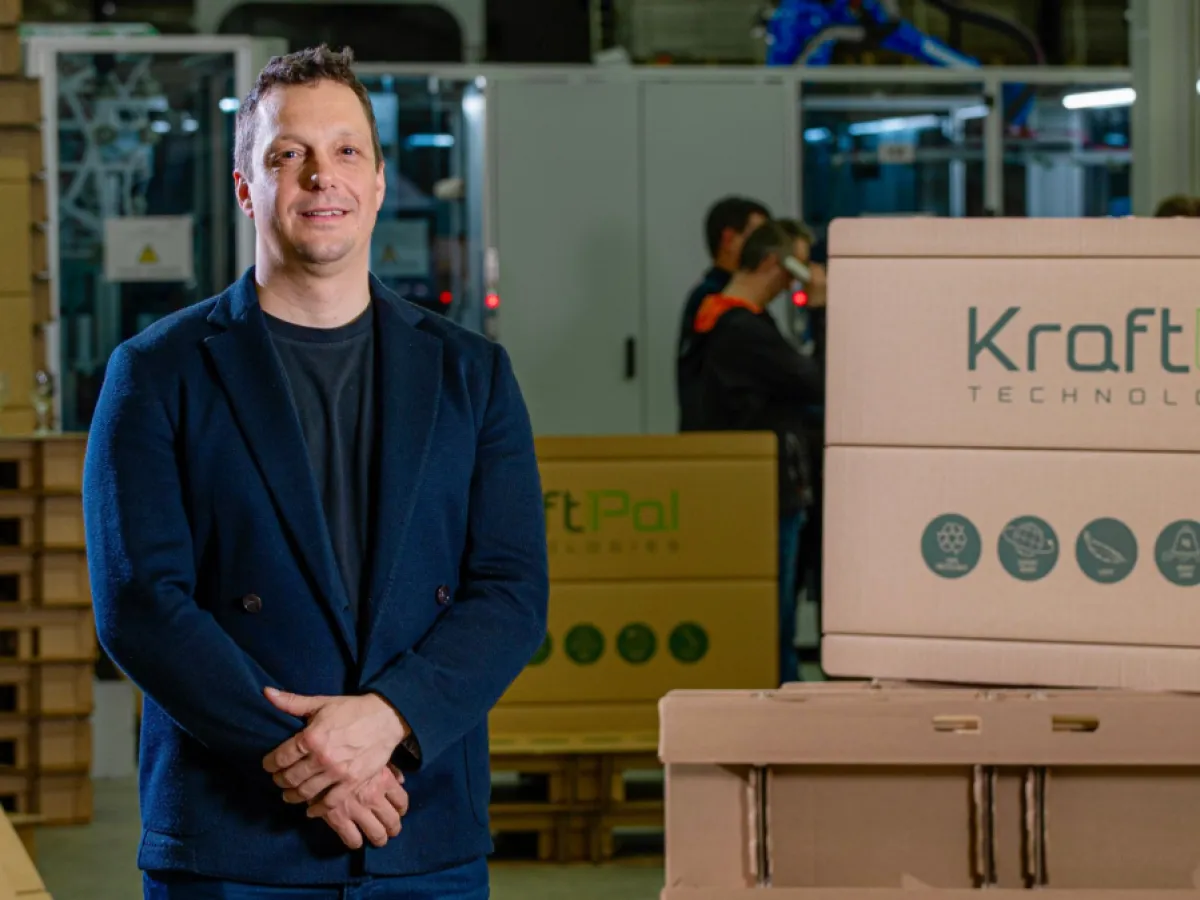
The KraftPal chapter provided Gregor Brajovic with more than a decade of experience in disruptive technology, R&D, intellectual property, commercialization, licensing, international expansion and institutional capital - lessons that later helped shape ZeeQuest.
KraftPal Was a School of Venture Building
Before ZeeQuest became the focus of Gregor Brajovic's entrepreneurial work, KraftPal provided a long and unusually practical education in building disruptive technology.
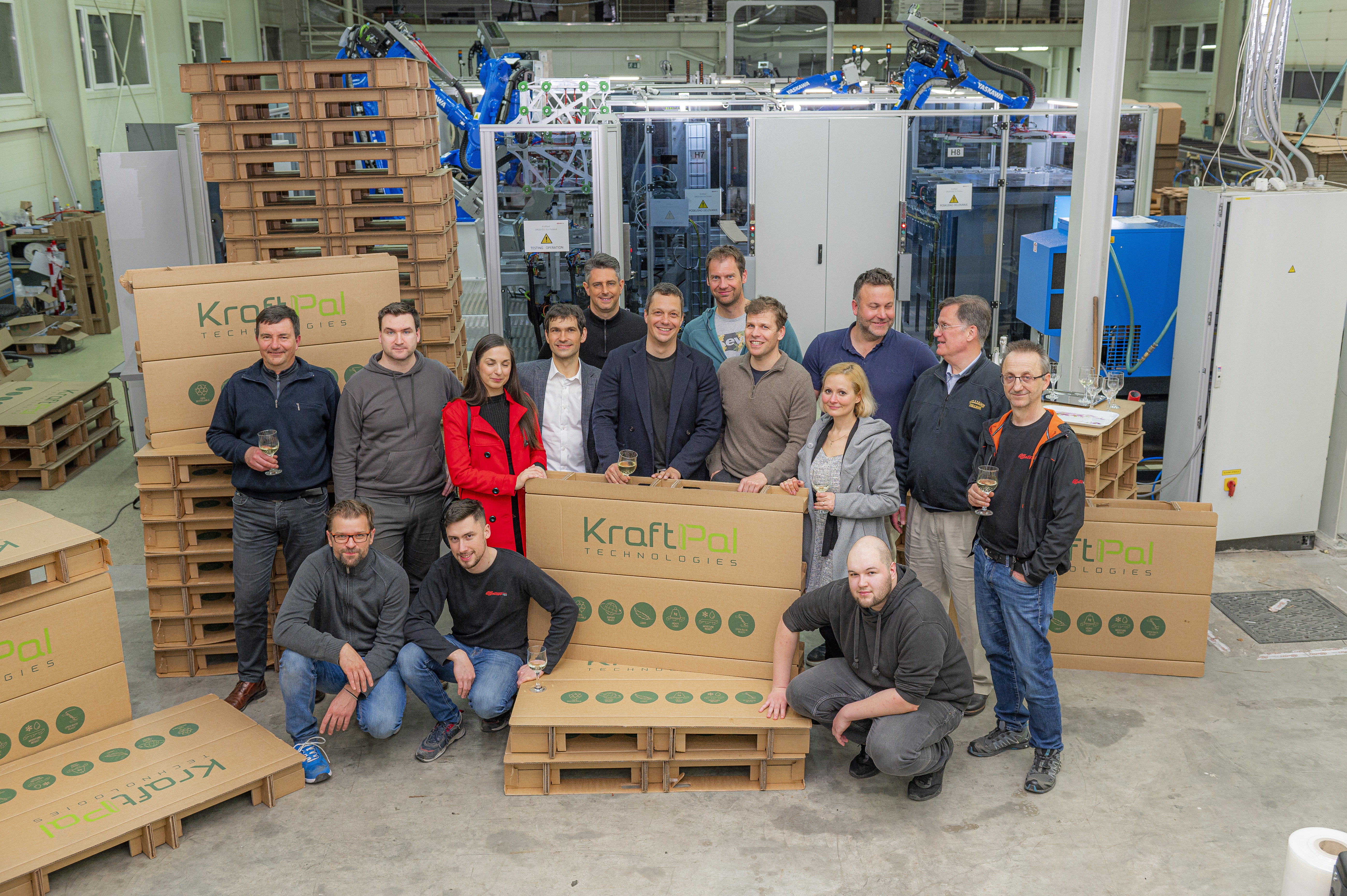
The project began in 2012 with an imperfect corrugated-pallet concept and a fundamental market question. Over the following decade, it required product redesign, dedicated R&D, industrial engineering, intellectual property, independent testing, commercial partnerships, licensing, manufacturing machinery, international expansion, sustainability positioning and institutional financing.
Technology Alone Was Never Enough
One of the defining lessons was that an invention does not become a scalable business simply because the underlying technology works.
KraftPal had to solve several problems simultaneously: the pallet had to perform inside existing supply chains; the production process had to support industrial volumes; customers had to see economic value; local markets required commercial development; intellectual property needed protection; and expansion required capable partners and capital.
From a Product Company to an Ecosystem Mindset
Those experiences helped shape a broader conviction: transformative businesses are built through connected systems.
Technology must connect with people, capital, commercialization, infrastructure, market access and execution. Weakness in any one of those layers can prevent an otherwise strong innovation from scaling.
Why ZeeQuest Was Built Differently
ZeeQuest was developed around a wider venture-building concept rather than a single industrial product. Its objective is to create an environment in which multiple technologies and ventures can access shared capabilities - technology development, business infrastructure, community, market activation and capital structures.
The KraftPal Experience Remains Relevant
KraftPal and ZeeQuest are distinct corporate stories. The connection is the founder's accumulated experience.
The years spent building KraftPal provided practical knowledge of how difficult it is to move from concept to real-world deployment, how long technology validation can take, how international expansion changes an organization, and how institutional capital evaluates a scaling opportunity.
A Track Record Across Different Technology Generations
That history is particularly relevant as ZeeQuest develops ventures across digital intelligence, human connection, sustainable agriculture and industrial technologies. The sectors are different, but many of the venture-building questions remain the same: What problem is being solved? Is the technology defensible? Can it be commercialized? Can it scale? What infrastructure is required? Who are the right partners? What evidence will convince the market?
From Industrial Disruption to Technology Ecosystems
The progression from KraftPal to ZeeQuest therefore should not be presented as one company becoming another. It is better understood as an evolution in entrepreneurial strategy.
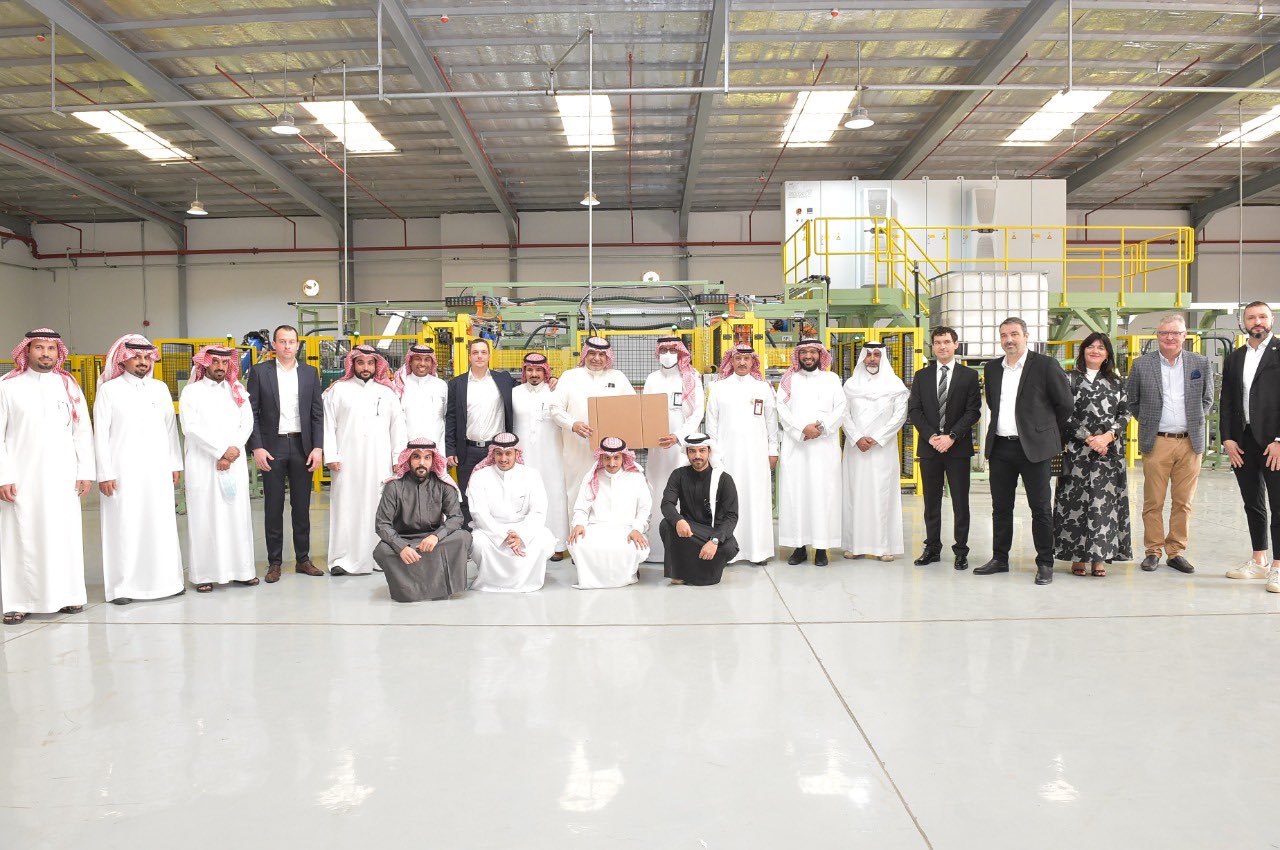
KraftPal demonstrated the power - and complexity - of building one disruptive technology company across multiple markets. ZeeQuest takes lessons from that experience and applies them to a broader model designed to originate, develop and scale multiple technology ventures.
The Founder Thesis
The common thread is a long-term belief that established industries and human systems can be improved when technology, timing, business models and execution are aligned.
That principle existed during the KraftPal years and continues in a different form through ZeeQuest today.